Professionals working in marine interior finishing continue to raise standards for comfort and material performance inside modern vessels. For professional upholstery services, details are available here, as specialists emphasize that boat cabin interior upholstery plays a defining role in how a cabin looks, feels, and performs over time.
Interior upholstery is no longer treated as a decorative layer alone. Instead, it has become an integrated system that supports comfort, acoustics, durability, and long-term usability in marine environments.
The Purpose of Interior Upholstery in Boat Cabins
Boat cabin interior upholstery serves several important functions simultaneously. While visual appeal is often the most noticeable factor, upholstery also contributes to insulation, noise control, and moisture management.
Soft surfaces help absorb vibration and sound, creating a calmer interior atmosphere. At the same time, properly selected upholstery materials protect structural elements from condensation and wear. As a result, interior upholstery is now considered a functional component of cabin construction rather than a finishing detail.
Materials Commonly Used in Boat Cabin Interior Upholstery
Material selection is central to upholstery performance. Marine interiors demand fabrics and coverings that can tolerate humidity, temperature changes, and limited ventilation.
Marine-grade vinyl remains a popular option due to its resistance to moisture and ease of cleaning. It performs well in high-use areas and maintains a consistent appearance over time.
Fabric-backed upholstery panels offer a softer, more residential feel. When combined with marine foams and sealed backing layers, they provide comfort and acoustic benefits without compromising durability.
Synthetic leather and advanced composite fabrics are increasingly used in premium interiors. These materials balance luxury aesthetics with improved resistance to fading, cracking, and surface wear.
Each option presents different advantages, therefore material choice should align with vessel usage and maintenance expectations.
Design Approach and Visual Balance
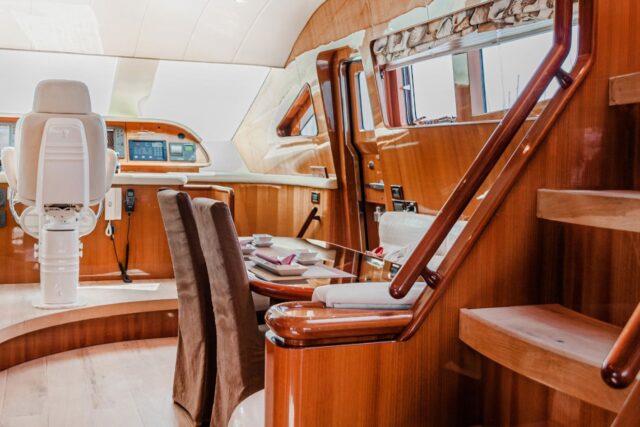
Design trends in boat cabin interior upholstery favor restraint and cohesion. Rather than bold contrasts, designers often choose layered textures and neutral tones to create depth without overwhelming the space.
Upholstery is typically coordinated with ceilings, wall panels, and built-in furniture to maintain visual continuity. Stitching patterns, panel seams, and trim details are used to subtly enhance the interior without drawing unnecessary attention.
Lighting also influences upholstery decisions. Materials must respond well to both natural and artificial light, avoiding glare while preserving color consistency.

Installation Quality and Structural Integration
Even the best materials can fail if installation is inadequate. Proper surface preparation, adhesive selection, and tension control are essential to prevent sagging, bubbling, or delamination.
Professionals often use layered systems that include insulation, vapor barriers, and upholstered finishes. This approach improves thermal comfort while protecting hidden structural components.
Modular upholstery panels are becoming more common as well. They allow sections of boat cabin interior upholstery to be removed for inspection or replacement without disturbing surrounding areas.
Comfort, Acoustics, and Thermal Performance
Interior upholstery directly affects onboard comfort. Upholstered surfaces reduce noise transmission from engines and mechanical systems, especially in compact cabins.
Thermal regulation is another key benefit. Upholstery combined with insulation helps stabilize cabin temperatures during both warm days and cooler nights. This improves overall livability, particularly on extended trips.
For this reason, upholstery choices are increasingly evaluated based on comfort performance rather than appearance alone.
Maintenance and Long-Term Care
Routine maintenance extends the life of boat cabin interior upholstery. Regular cleaning with marine-safe products prevents salt residue and airborne contaminants from damaging surfaces.
Periodic inspections help identify early signs of moisture intrusion, discoloration, or surface fatigue. Addressing small issues early can prevent costly repairs later.
Materials designed for easy care often provide better long-term value, even if initial costs are higher.
Sustainability and Material Innovation
Sustainability is gradually influencing upholstery decisions in marine interiors. Low-emission adhesives, recycled backing materials, and responsibly sourced fabrics are entering the market.
However, professionals stress that environmental considerations must not compromise performance. Upholstery materials must still meet strict durability and safety requirements to function effectively in marine conditions.
As a result, innovation in this area focuses on balancing environmental impact with proven reliability.
Differences Between Private and Commercial Cabins
Usage patterns significantly affect upholstery requirements. Private cabins often prioritize comfort, texture, and visual refinement. Commercial vessels, on the other hand, require materials that withstand constant use and frequent cleaning.
Understanding these differences helps ensure that boat cabin interior upholstery is specified correctly for its intended purpose.
Conclusion
Boat cabin interior upholstery is a critical element of modern marine interior design. Beyond aesthetics, it contributes to comfort, acoustic control, and long-term durability.
When materials are carefully selected and professionally installed, upholstery enhances both the experience of being onboard and the overall value of the vessel. Staying informed about material options, installation methods, and maintenance practices allows owners and designers to create interiors that remain functional and visually appealing for years to come.